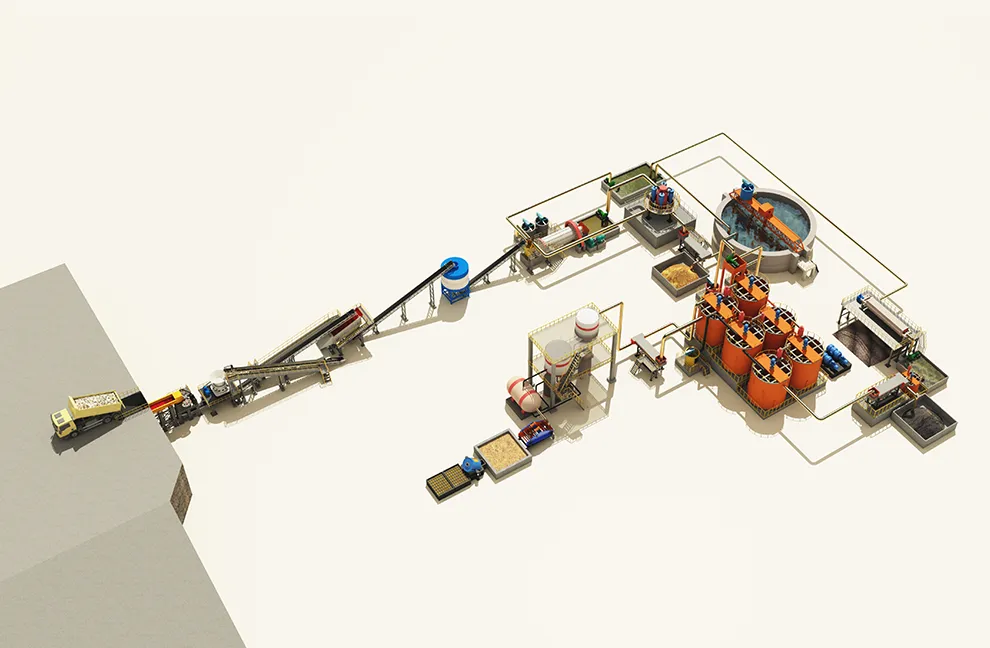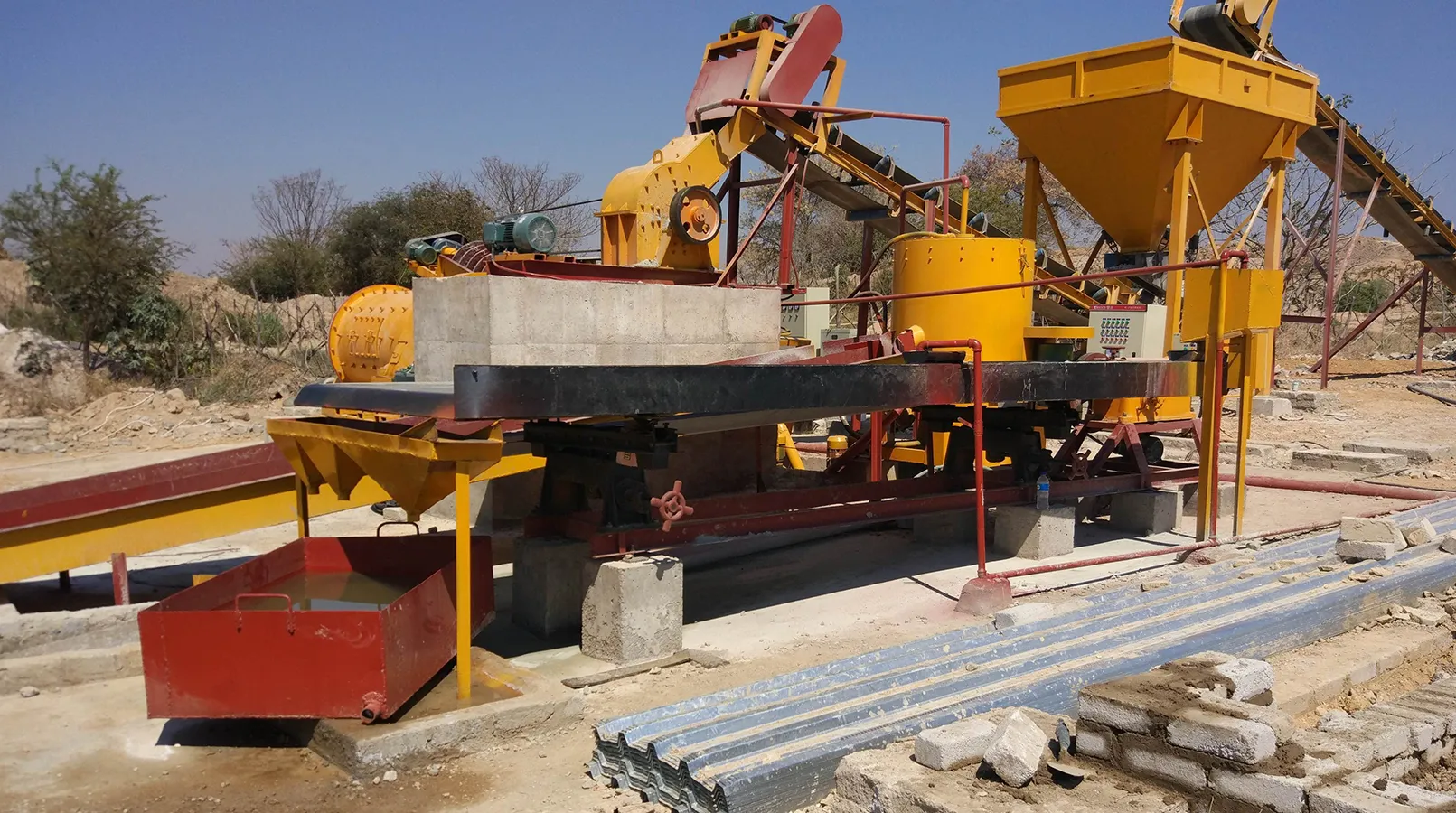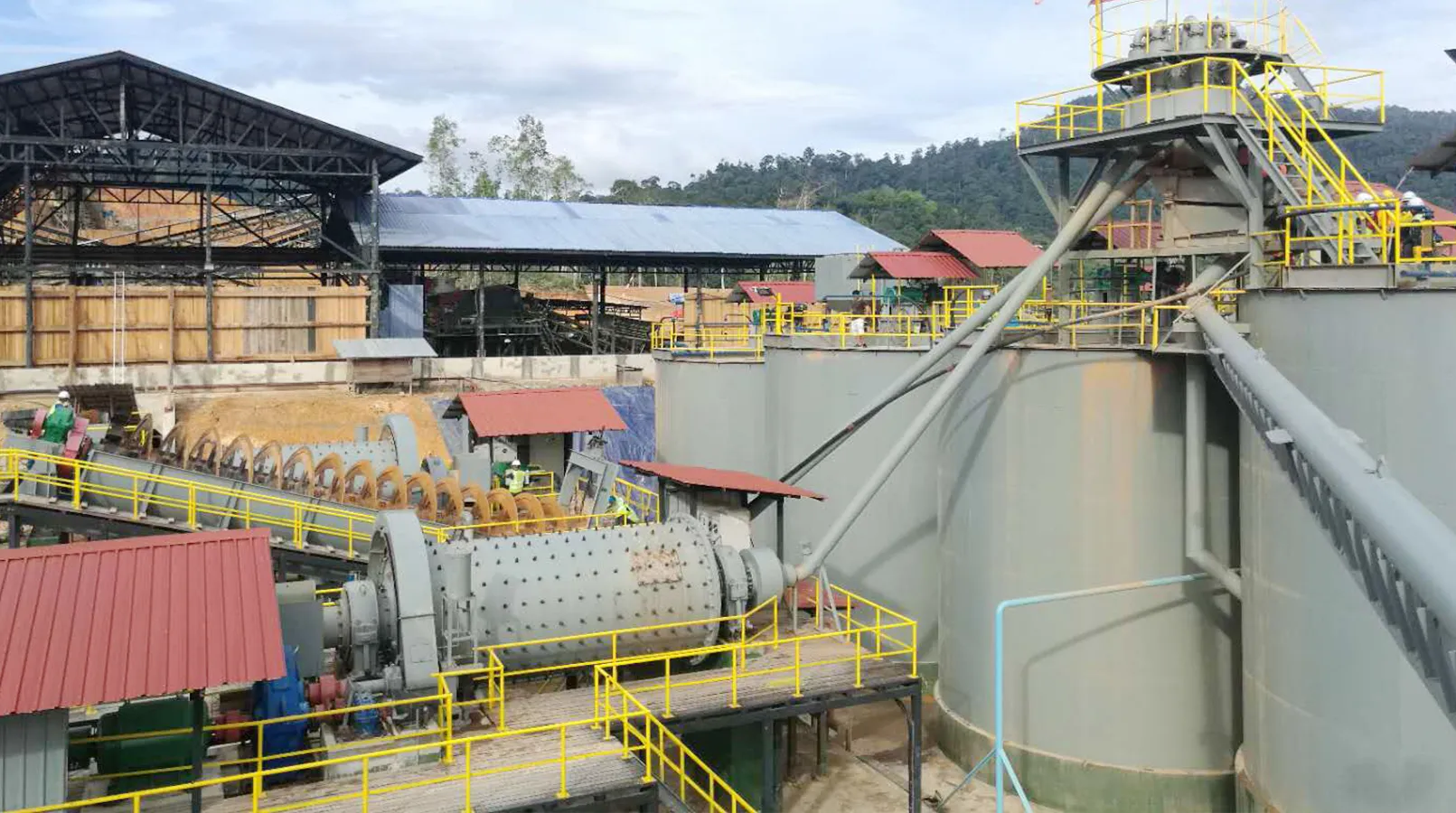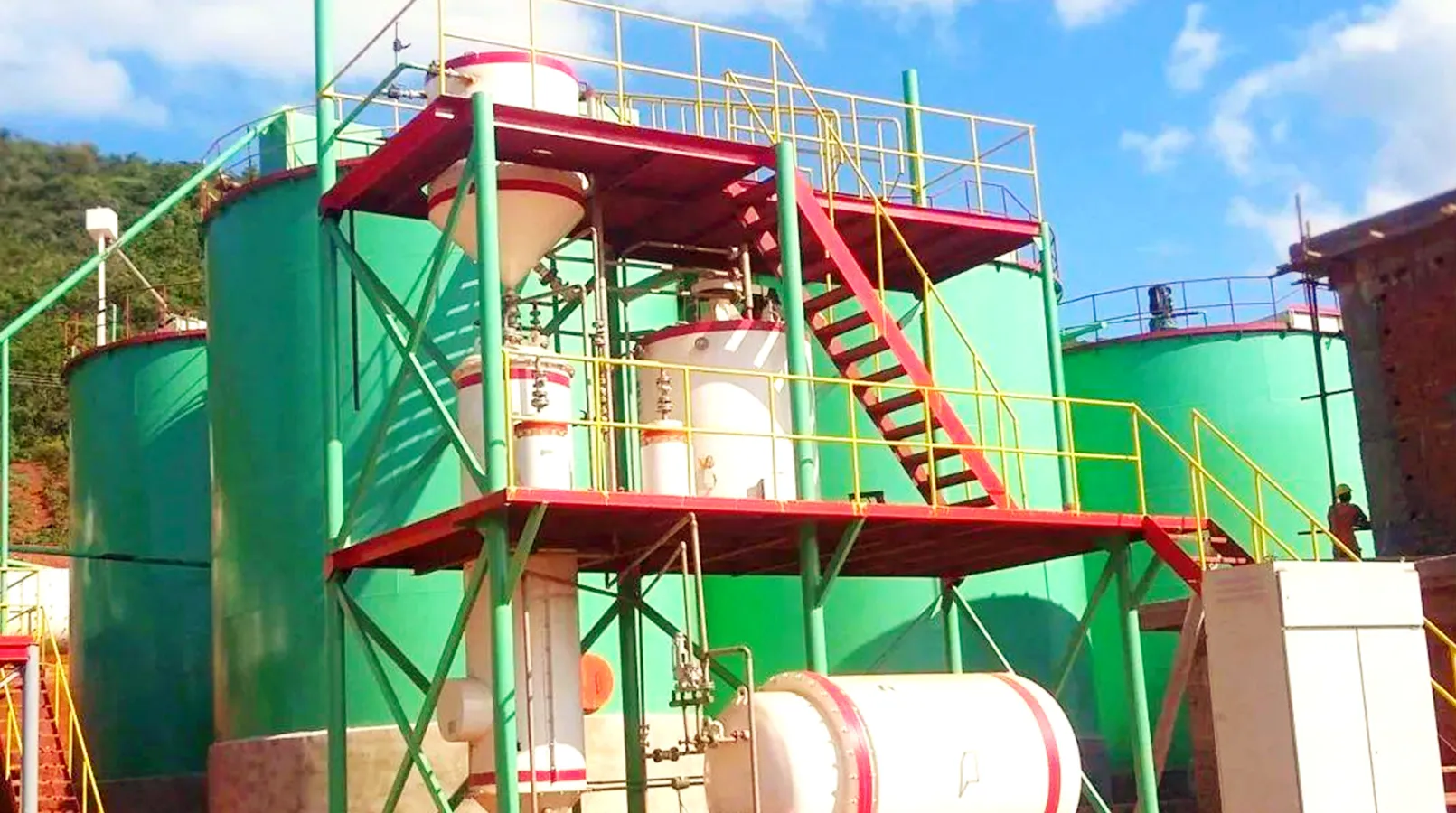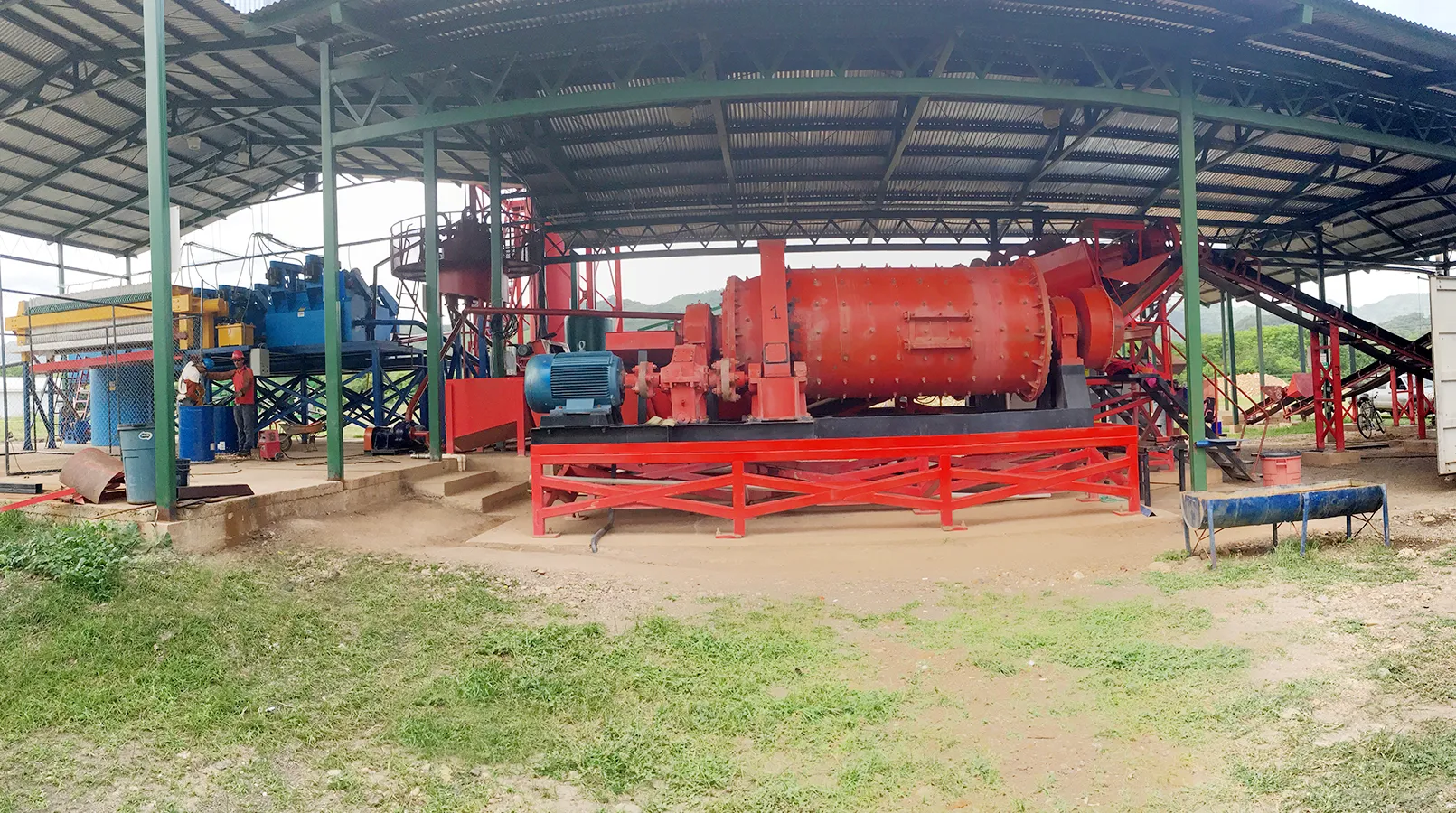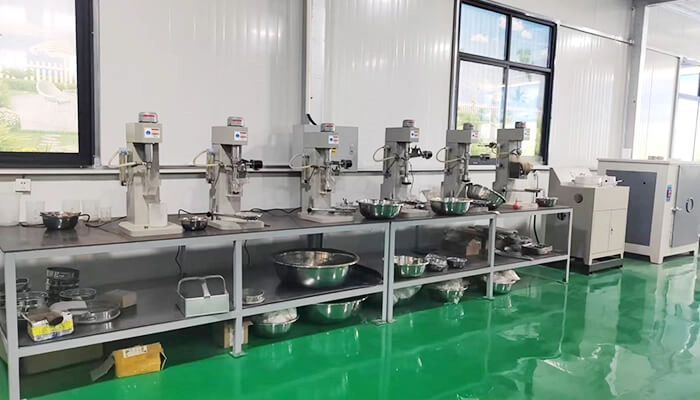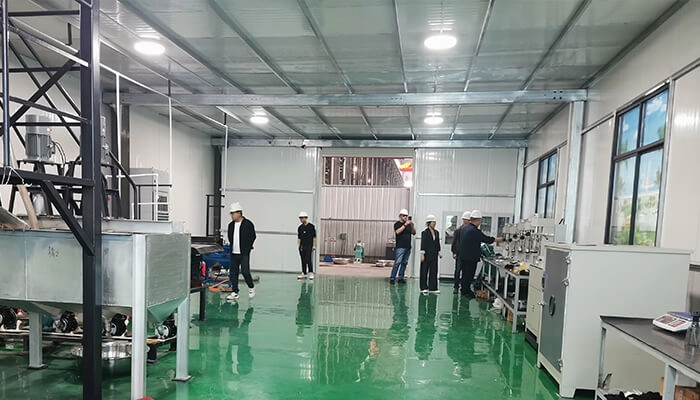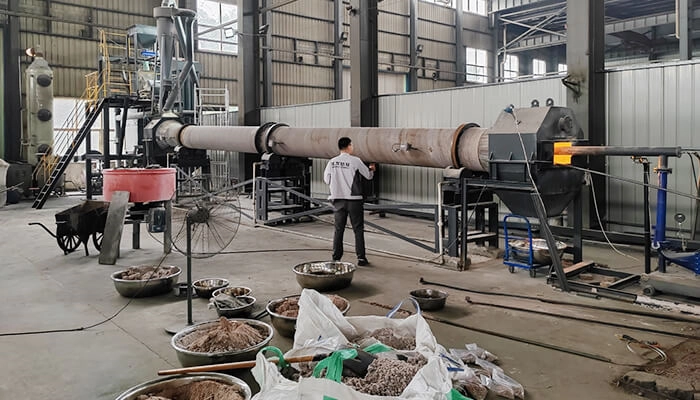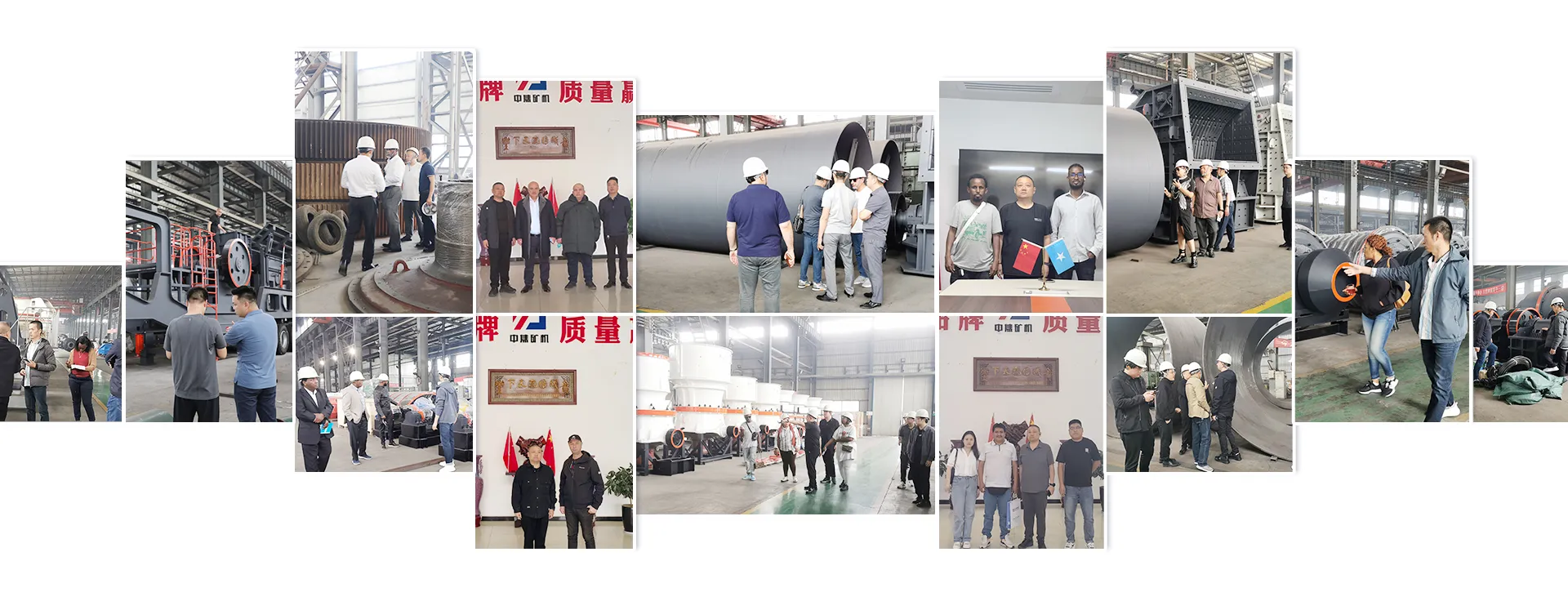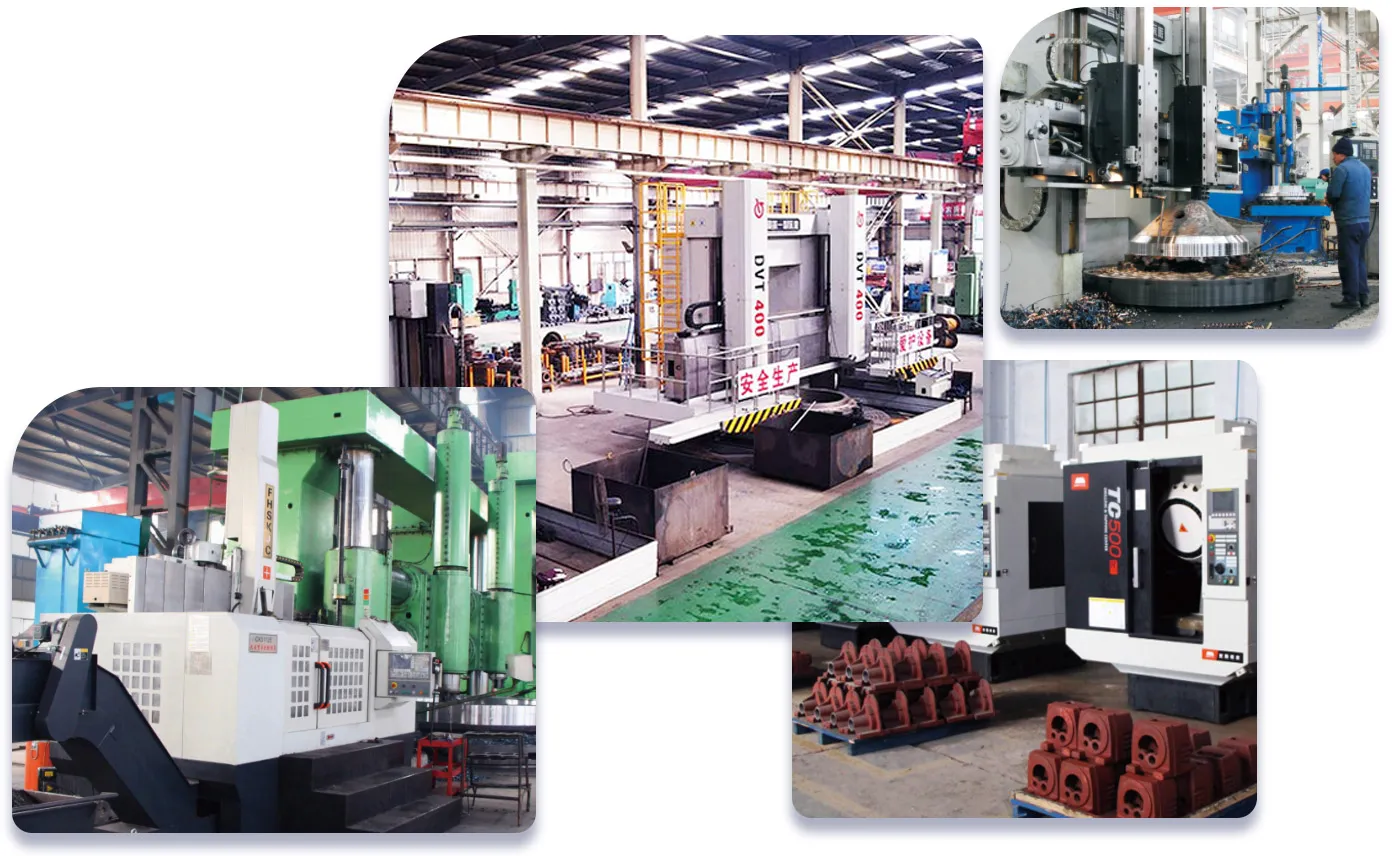
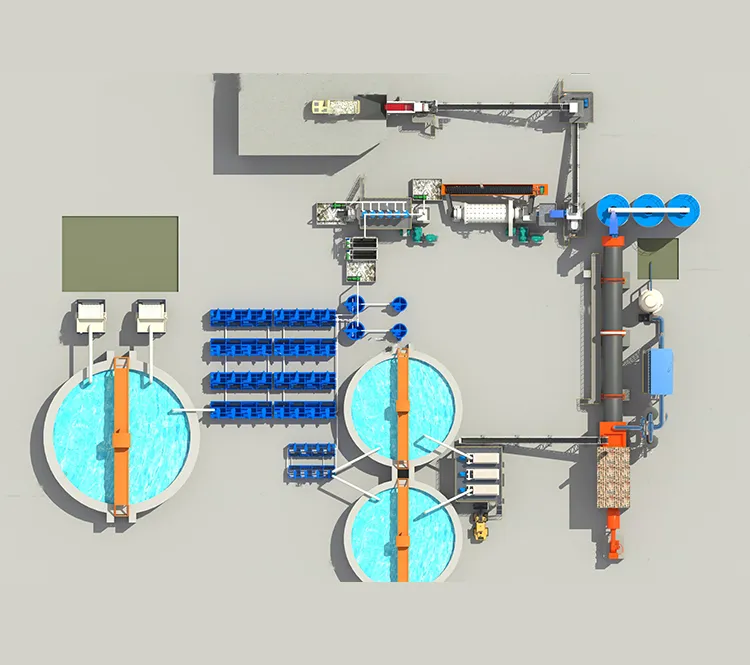
ZOOMJO Group will customize gold ore processing solutions based on your ore type to maximize the recovery of gold concentrate. We also provide laboratory beneficiation test.
Common gold ore processing methods: flotation, gravity separation, CIP (Carbon in Pulp), and CIL (Carbon in Leach).

Crushing and Grinding
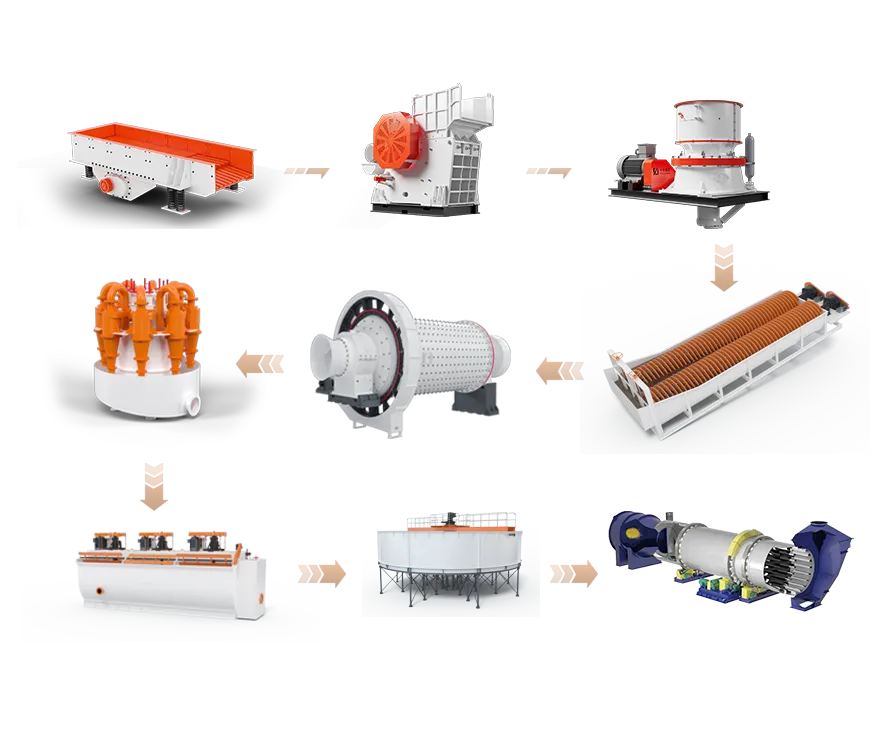
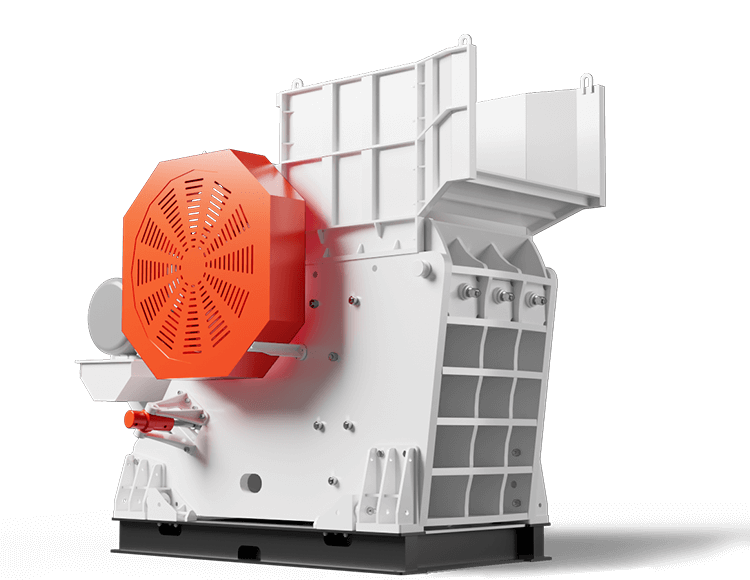
Primary crushing: Jaw crusher crushes raw ore to 150-200mm.
Secondary crushing: Cone crusher further crushes to 10-15mm.
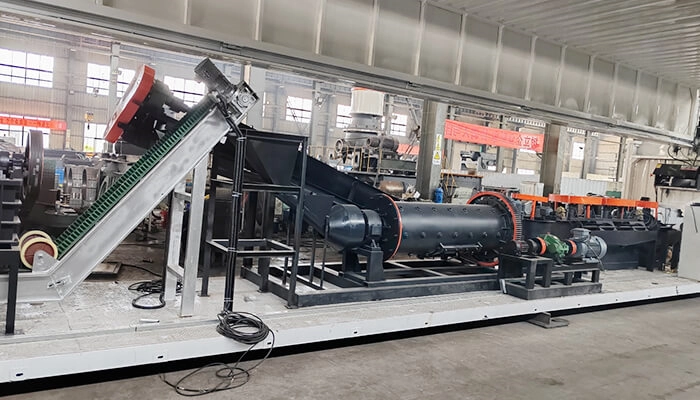
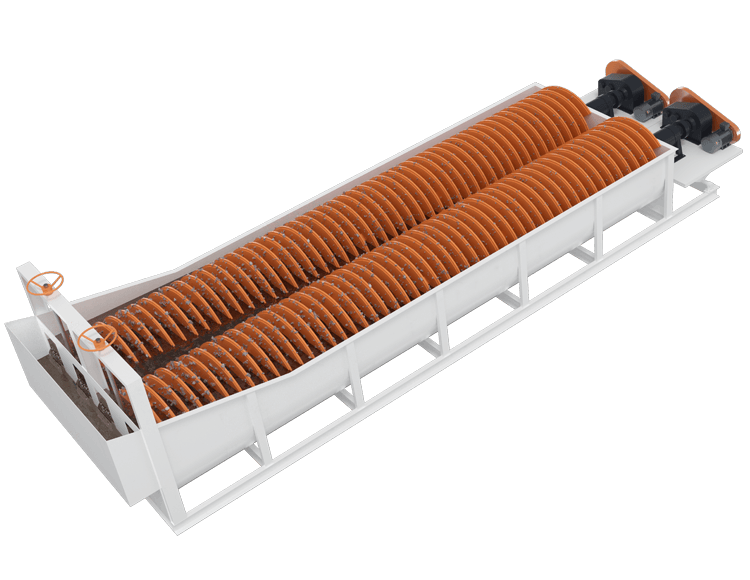
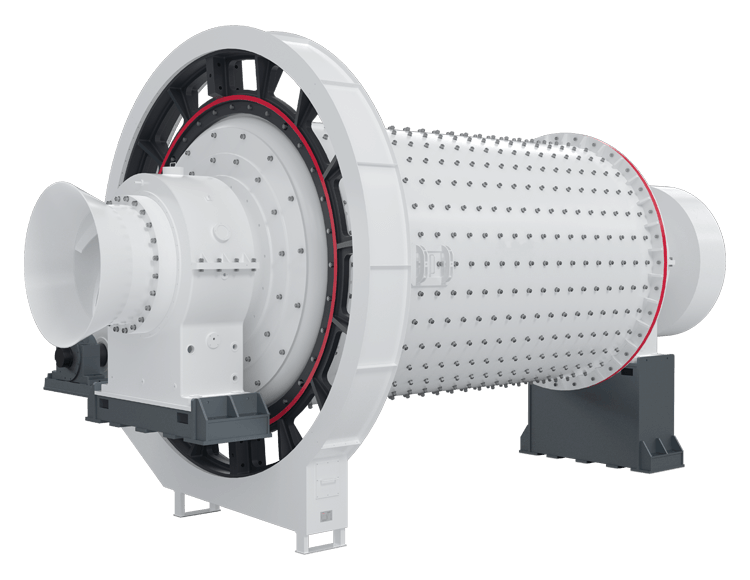
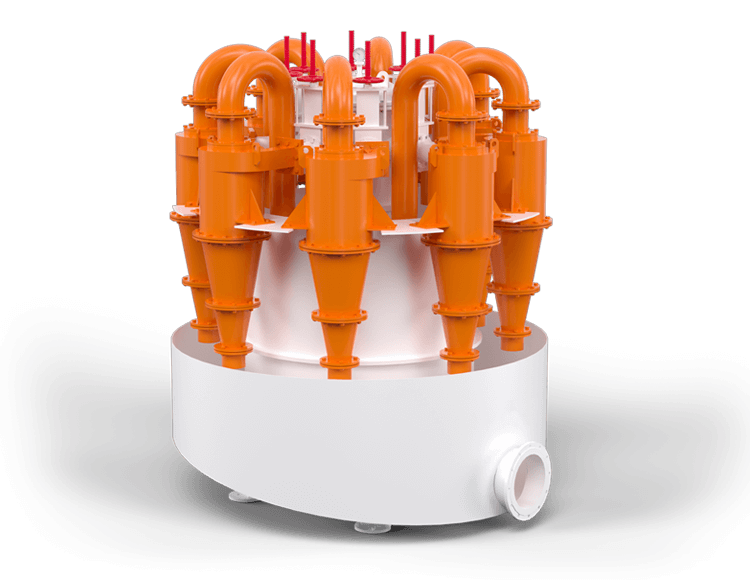
Grinding: Ball mill works in closed circuit with spiral classifier, ground to -200 mesh accounting for 65%-85% (adjusted according to gold dissemination particle size).
Pulp Conditioning and Reagent Addition
Pulp concentration controlled at 25%-30%, pH adjusted to 8-10 (lime as regulator).
Reagent system:Collector: Butyl xanthate (50-80g/t) or black reagent (10-20g/t), selectively adsorbs on the surface of sulfide minerals.
Frother: No.2 oil (100-150g/t), forms a stable foam layer.
Flotation Operation
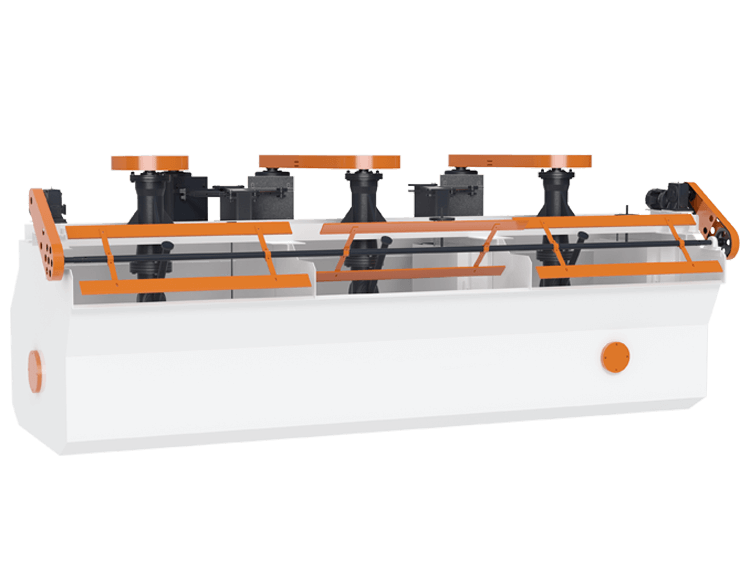
Roughing: Pneumatic mechanical agitation flotation machine (e.g., XCF/KYF type), foam layer thickness 40-75mm, preferentially recovers dissociated gold minerals.
Scavenging: Low concentration (20% pulp), foam size 5-15mm, reduces gold loss in tailings.
Cleaning: XJK type flotation machine, dilute pulp (20% concentration) improves concentrate grade.
Product Treatment
Flotation concentrate is smelted after concentration and filtration, and tailings enter environmental protection treatment or re-selection process.

Disintegration and Screening
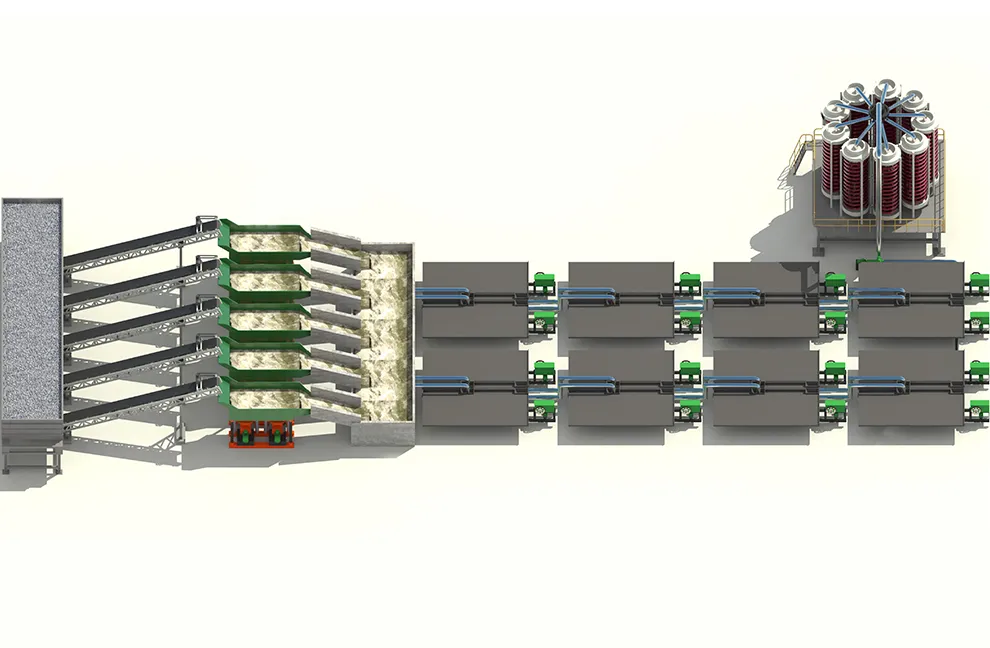
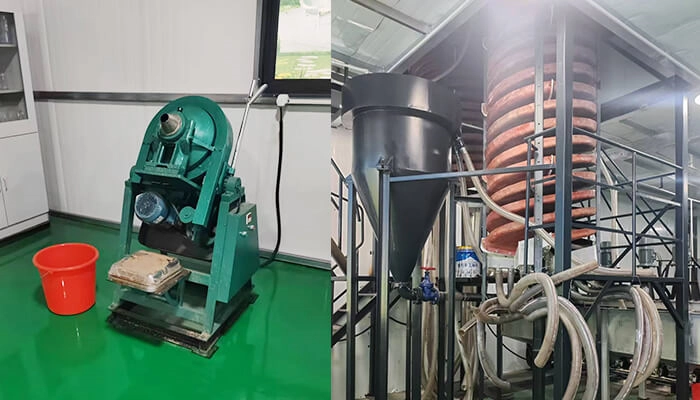
Cylinder screen (screen hole 2-10mm) removes gravel, and desliming hopper washes to remove fine mud.
Gravity Separation Classification
Roughing: Jig (water supply pressure 40-60Pa) recovers +0.5mm coarse gold.
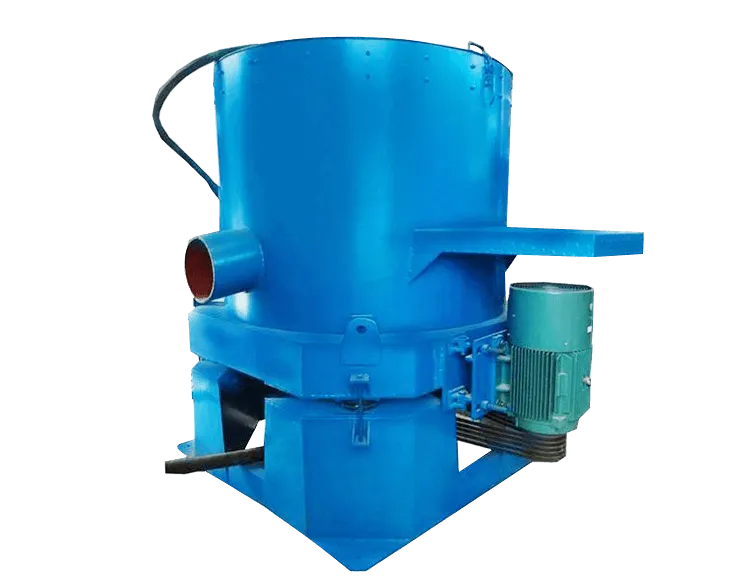
Cleaning: Centrifuge (rotation speed 405-415rpm, water flow 90-100 gallons/minute) recovers 10-500μm fine gold.
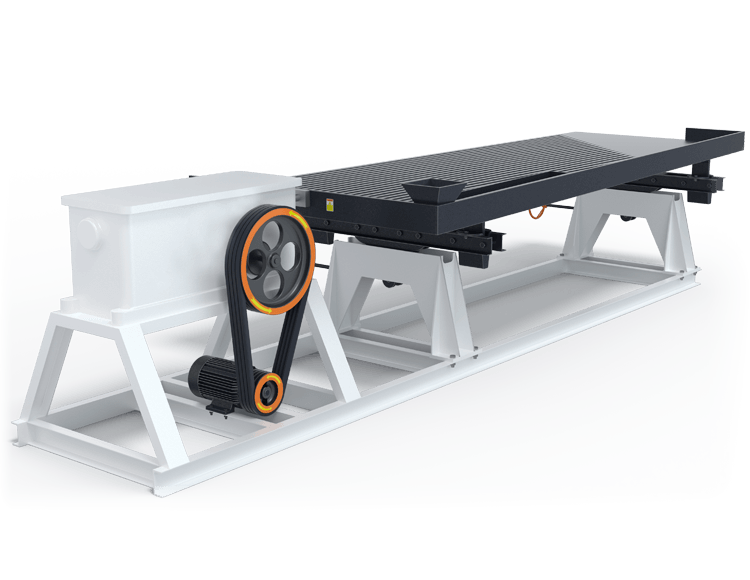
Final enrichment: Shaking table processes gravity concentrate to obtain rough gold with a grade of 30-45%.
Combined Process
Gravity separation tailings can enter flotation or cyanidation process (such as "gravity separation-flotation" combined process).

Grinding and Pre-leaching Concentration
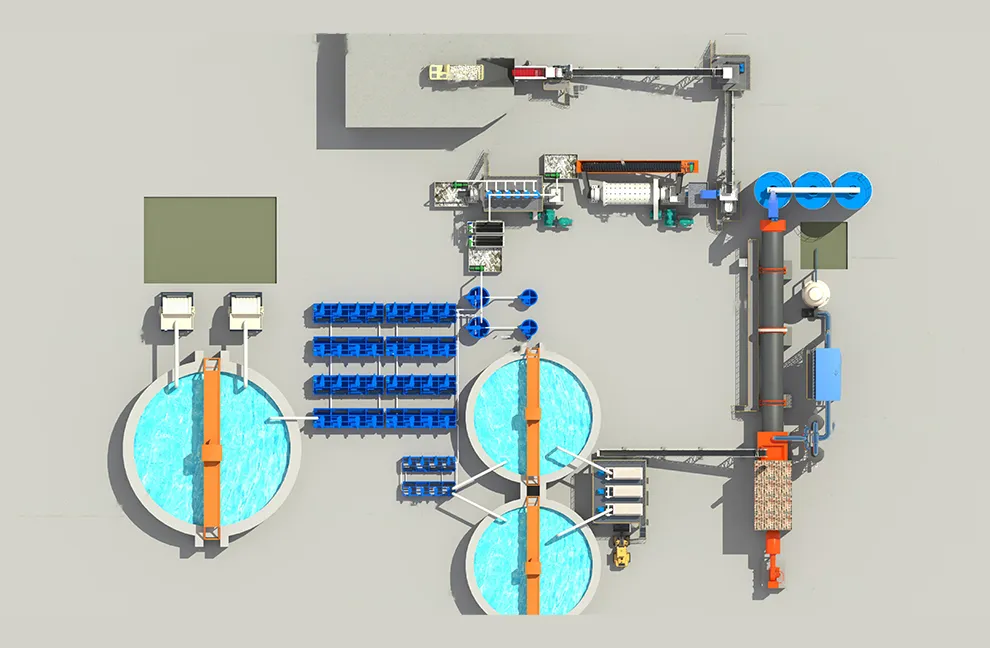
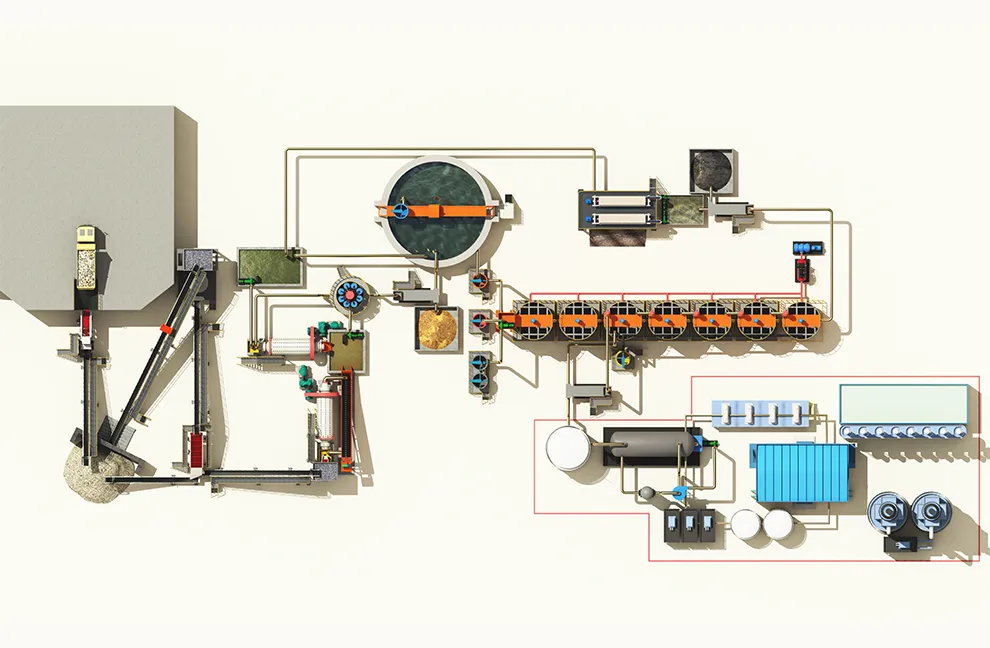
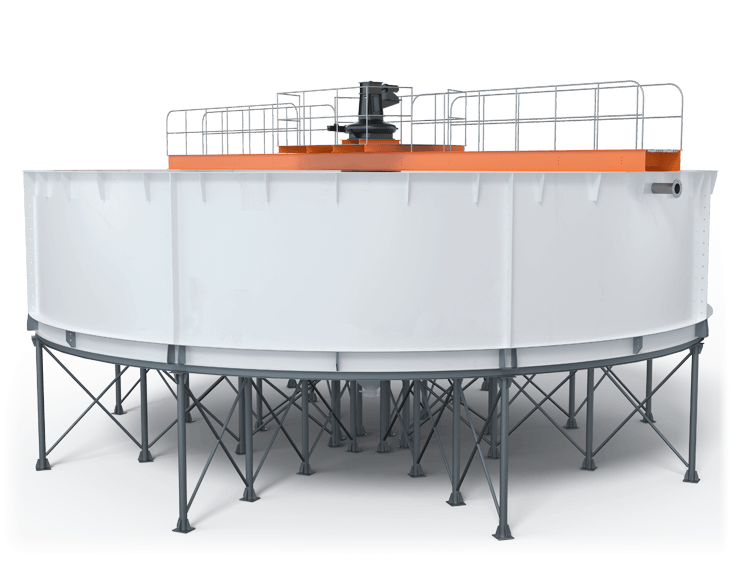
Ground to -200 mesh accounting for 85%-95%, thickener underflow concentration adjusted to 40%-45%.
Cyanidation Leaching
6-8 leaching tanks in series, NaCN concentration 0.015%-0.03%, pH=10-11, oxygenation accelerates gold dissolution.
Carbon Adsorption
Activated carbon (particle size 1.0-3.35mm) countercurrent adsorption, gold grade of gold-loaded carbon reaches 3000g/t.
Desorption and Electrolysis
High-temperature and high-pressure desorption (150℃, 0.5MPa): desorption rate >96% within 12 hours.
Electrolytic deposition: gold mud purity 20%-50%, directly smelted.

Integrated Leaching and Adsorption
9-stage stepped tanks: first 2 tanks for cyanidation leaching, last 7 tanks for simultaneous adsorption (activated carbon added from the last tank, countercurrent to the first tank).
Gold-loaded Carbon Treatment
Desorption: Zadra method (high-temperature and high-pressure) or AARL method, gold concentration in pregnant solution reaches 20-50g/m³.
Electrolysis: steel wool cathode deposition, current efficiency >99.5%.
Tailings Treatment
Filter pressed to moisture content <18%, backwater utilization rate >90%.
| Process | Optimal Ore Type | Recovery Rate | Investment Cost | Environmental Friendliness |
|---|---|---|---|---|
| Flotation | Sulfide ore | 85%-92% | Medium | Requires tailings treatment |
| Gravity Separation | Alluvial gold /coarse gold | 70%-85% | Low | Best |
| CIP | Oxidized ore /high-mud ore | 90%-95% | Higher | Requires cyanide management |
| CIL | Mixed ore | 91%-93% | High | Requires tailings dry discharge |
With good reputation, excellent quality and sound after-sales service, it has won praise from the world.
Do you need to know the product price? Model? Configuration plan? Output?
Please leave your correct information and we will reply to you within 24 hours.
Copyright © Henan ZOOMJO MINING Machinery Co., Ltd. All Rights Reserved.