
Silica Processing Plant | 4 Core Stages of Silica Sand Production
July 9, 2025
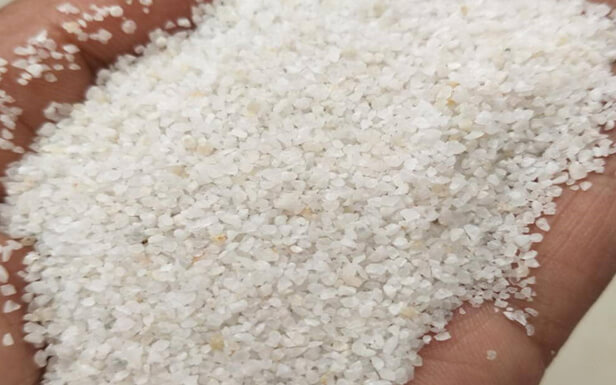
Silica sand is a vital industrial mineral raw material, which is mainly mined and processed from hard rock deposits (such as quartzite, quartz sandstone and vein quartz). With its unique physical and chemical properties, silica sand is widely used in many fields such as glass manufacturing, casting, abrasive materials, construction materials, hydraulic fracturing (frac sand), etc.
Silica sand (also called industrial sand, quartz sand or white sand) has two main sources:
1. Natural silica sand: Natural sand deposits formed by weathering and crushing of surface quartzite, quartz sandstone, etc.
2. Artificial silica sand: High-purity sand particles produced by crushing and purifying block silica (quartzite, quartz sandstone, etc.).
Regardless of the source, natural silica sand usually contains a variety of impurities (such as clay, feldspar, mica, iron minerals, etc.) and needs to be purified through professional processing procedures to meet the strict requirements of purity and particle size for different industrial uses.
• Goal: Crushing large silica raw materials to a particle size suitable for subsequent processing.
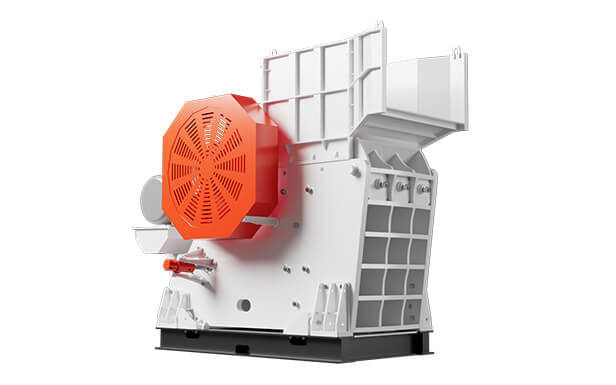
• Coarse crushing: The hard silica ore is first crushed by a jaw crusher. The crushed material is screened by a circular vibrating screen, and the qualified particle size enters the next stage, and the oversized particle size returns for further crushing.
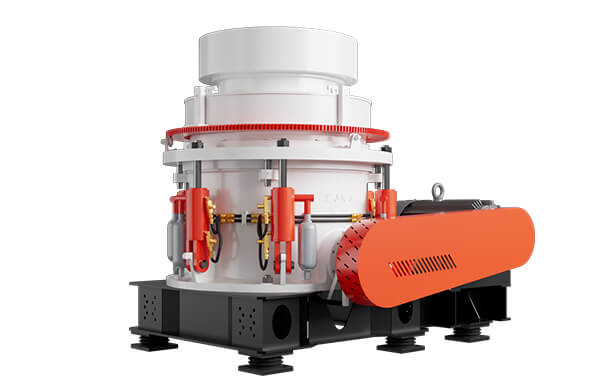
• Secondary crushing: The unqualified materials after coarse crushing and screening (or according to the process design) are sent by belt conveyor to the hydraulic cone crusher for secondary crushing and screening to obtain finer and more uniform particles.
• Goal: Further reduce the particle size and remove impurities such as clay and iron film attached to the particle surface by mechanical scrubbing.
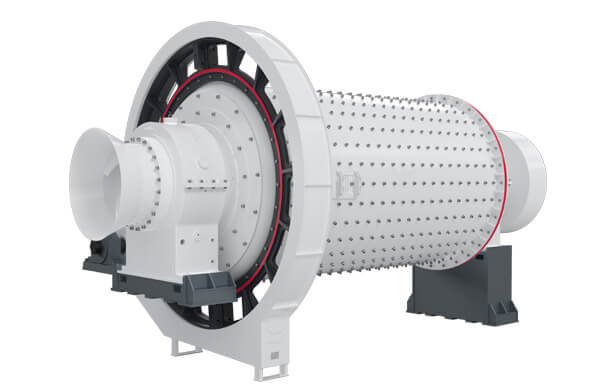
• Grinding: The crushed silica is sent to the powder bin for temporary storage and then fed to the rod mill through the feeder. Rod milling not only refines the particle size, but more importantly, through the impact and grinding of the grinding medium, the silica sand particles are fully dissociated from the impurities and the particle surface is scrubbed, creating conditions for subsequent effective impurity removal.
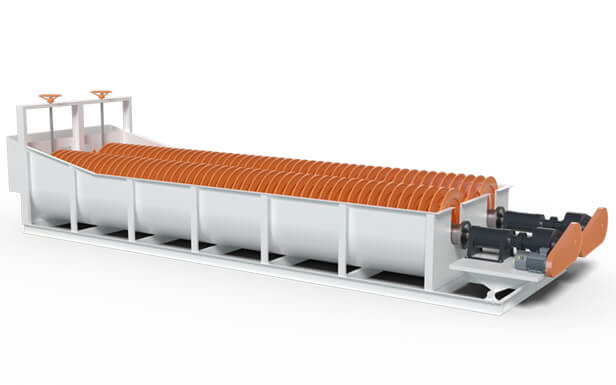
• Scrubbing and Classification: The ground slurry is fed into the spiral classifier. Two key tasks are completed simultaneously in this process:
1. Classification: Separate materials by particle size to control the particle size distribution of the final product.
2. Scrubbing and Cleaning: Use the stirring action of water flow and spiral blades to further clean the silica sand particles, effectively remove light impurities such as mud and dust on the surface, and perform preliminary dehydration.
• Target: Remove key impurities that affect purity, such as ferromagnetic minerals, feldspar, and mica in silica sand.
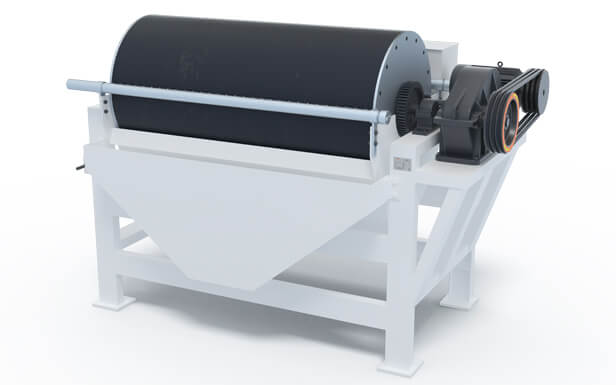
• Magnetic separation: Silica sand often contains iron-containing impurities such as hematite, limonite, ilmenite, pyrrhotite, tourmaline, and amphibole (which may be wrapped in particles or attached to the surface). Magnetic separators use magnetic field forces to effectively separate these magnetic minerals.
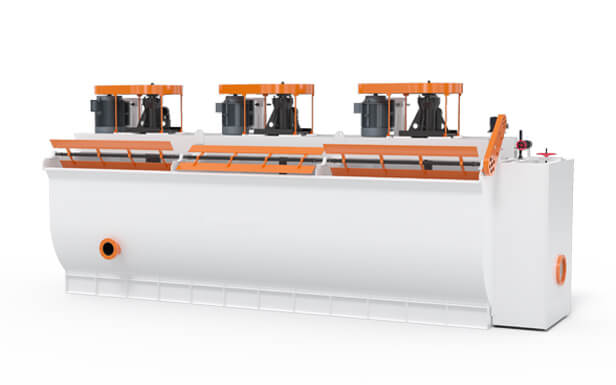
• Flotation: For non-magnetic impurities such as mica and feldspar that are difficult to remove by magnetic separation, flotation is often used. The process usually includes:
1. Use sulfuric acid or hydrochloric acid to adjust the pH value of the pulp to activate the surface of mica and feldspar.
2. Add cationic collectors to selectively adsorb on the surface of mica and feldspar to make them hydrophobic.
3. Aerate the flotation machine, and the hydrophobic impurity minerals adhere to the bubbles to form a foam layer and are scraped out.
4. The product in the tank is purified silica sand.
• Goal: Reduce the moisture content of purified silica sand to the safe storage and transportation requirements.
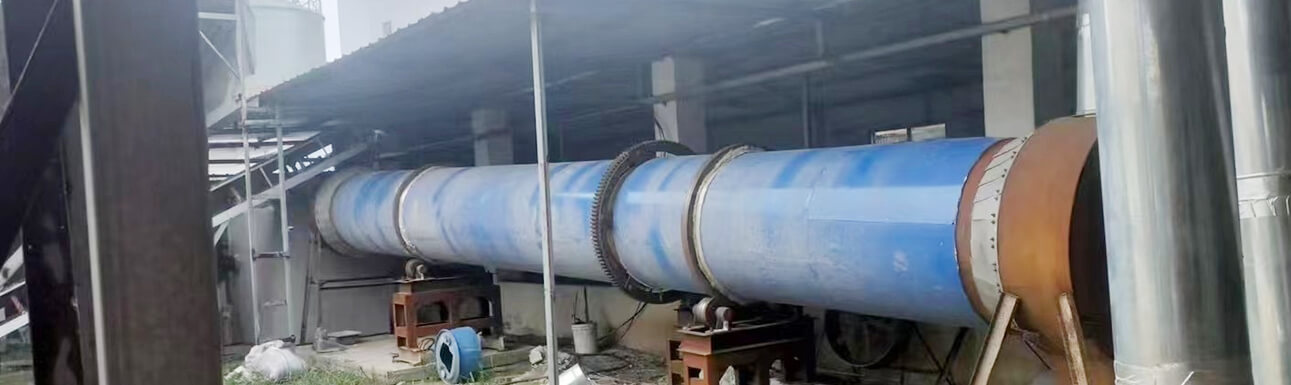
• Drying: The wet silica sand is sent to a special silica sand dryer for dehydration and drying.
Do you need to know the product price? Model? Configuration plan? Output?
Please leave your correct information and we will reply to you within 24 hours.

E-mail: sales-zjks@zoomjo.cn
Mobile: +86-13938216895
WhatsApp: +86-13938216895
Add.: Zhouzhuang Industrial Park , Fengshou Road East Section, Demonstration Zone, Jiaozuo


Copyright © Henan ZOOMJO MINING Machinery Co., Ltd. All Rights Reserved.