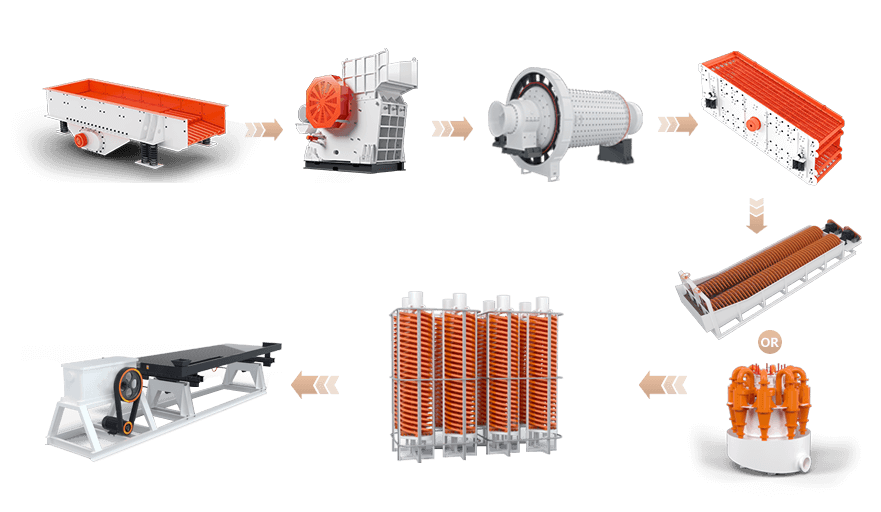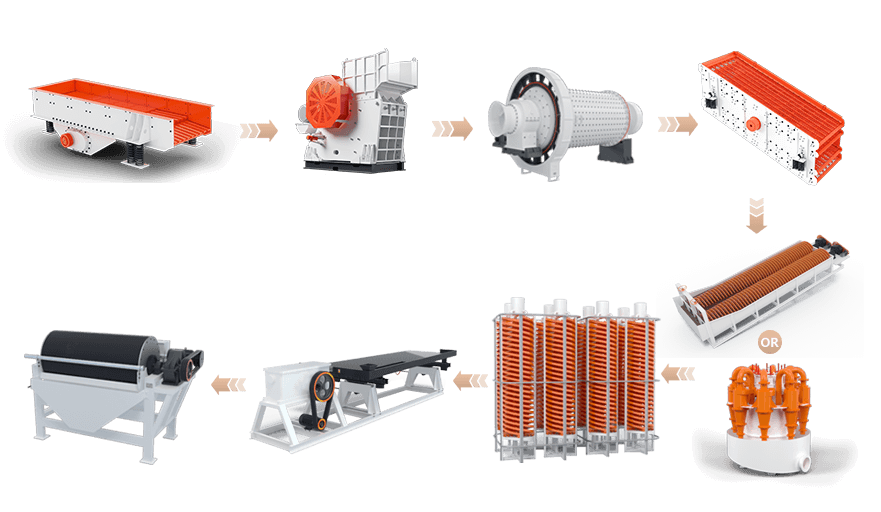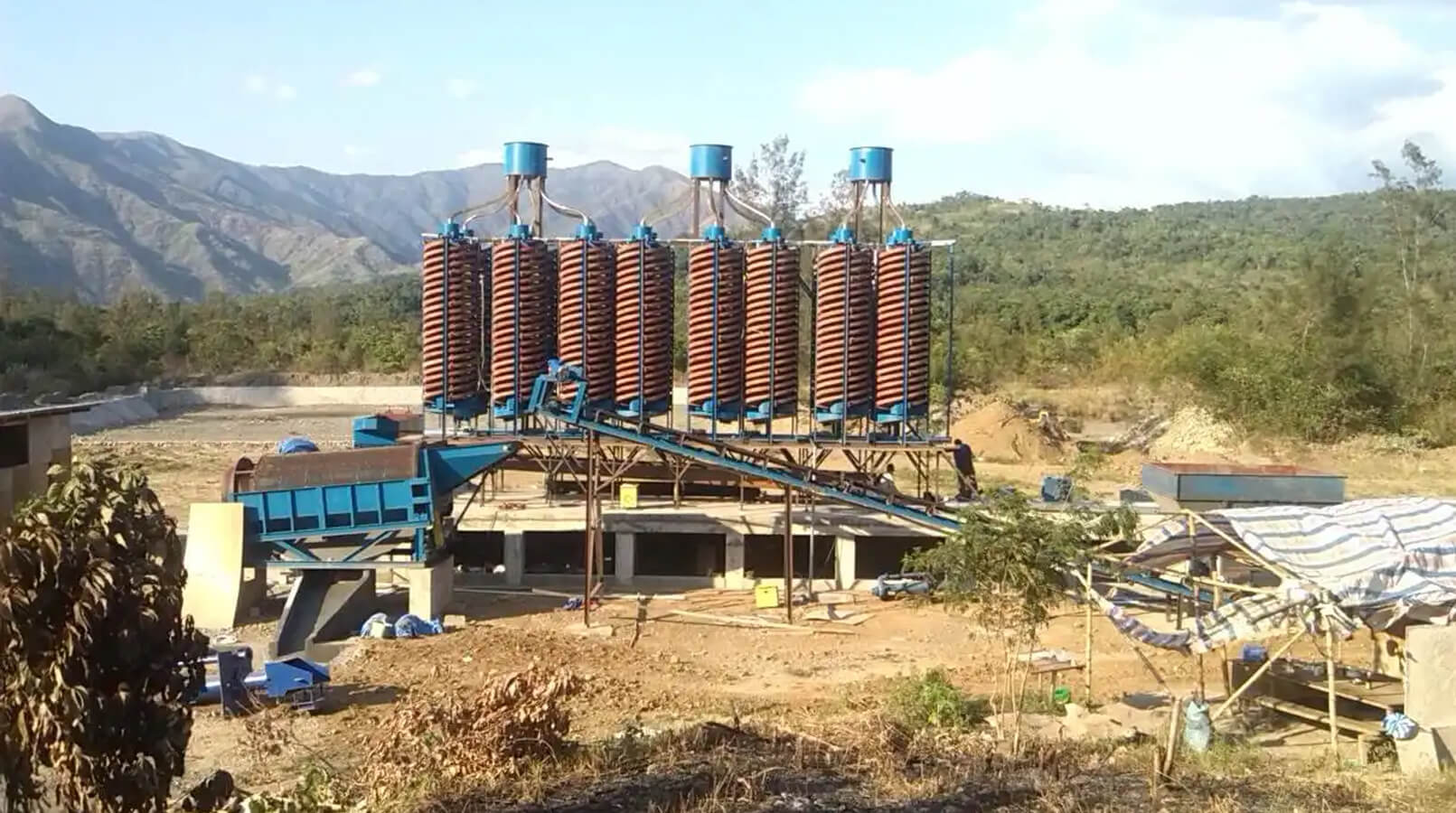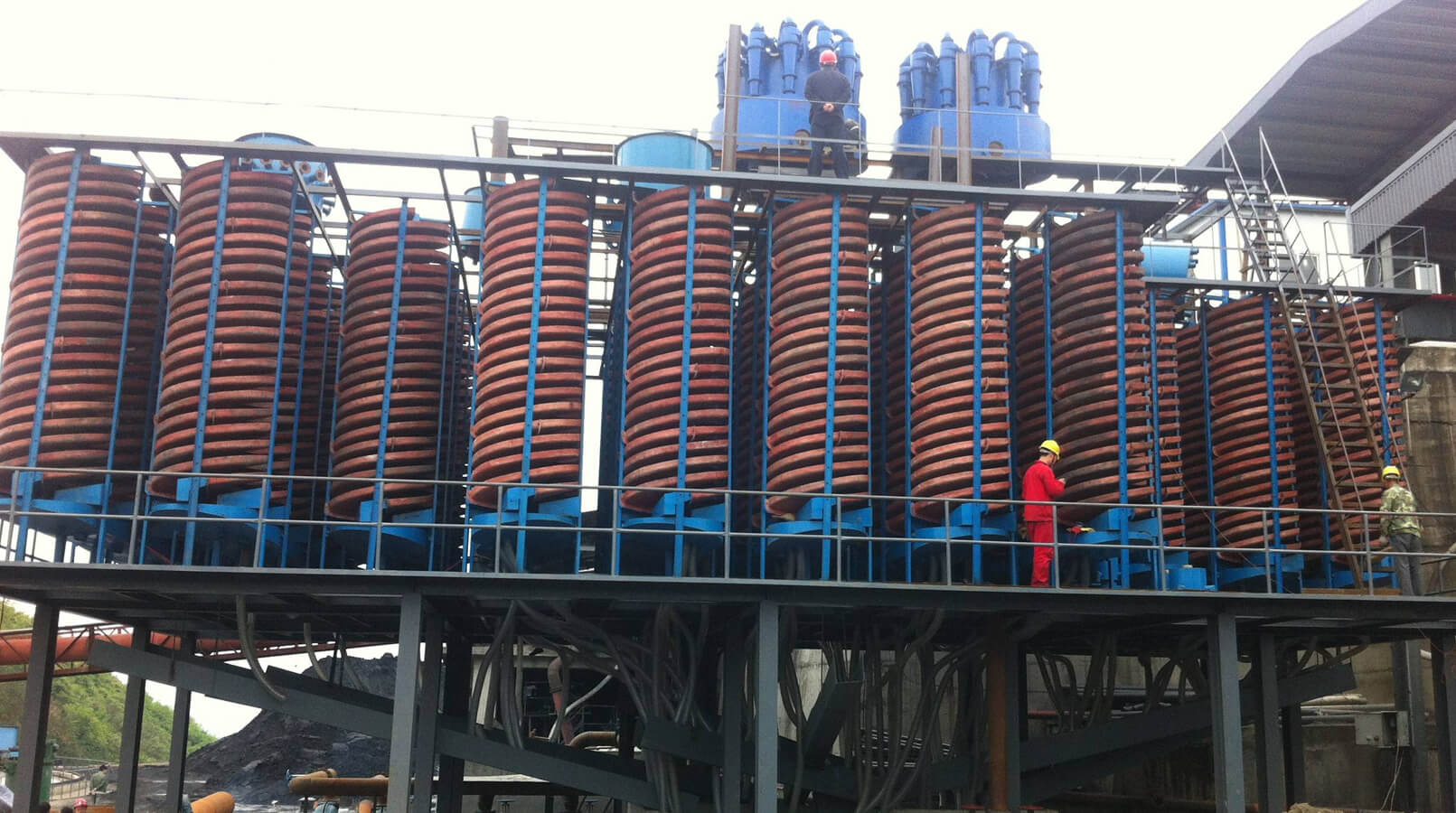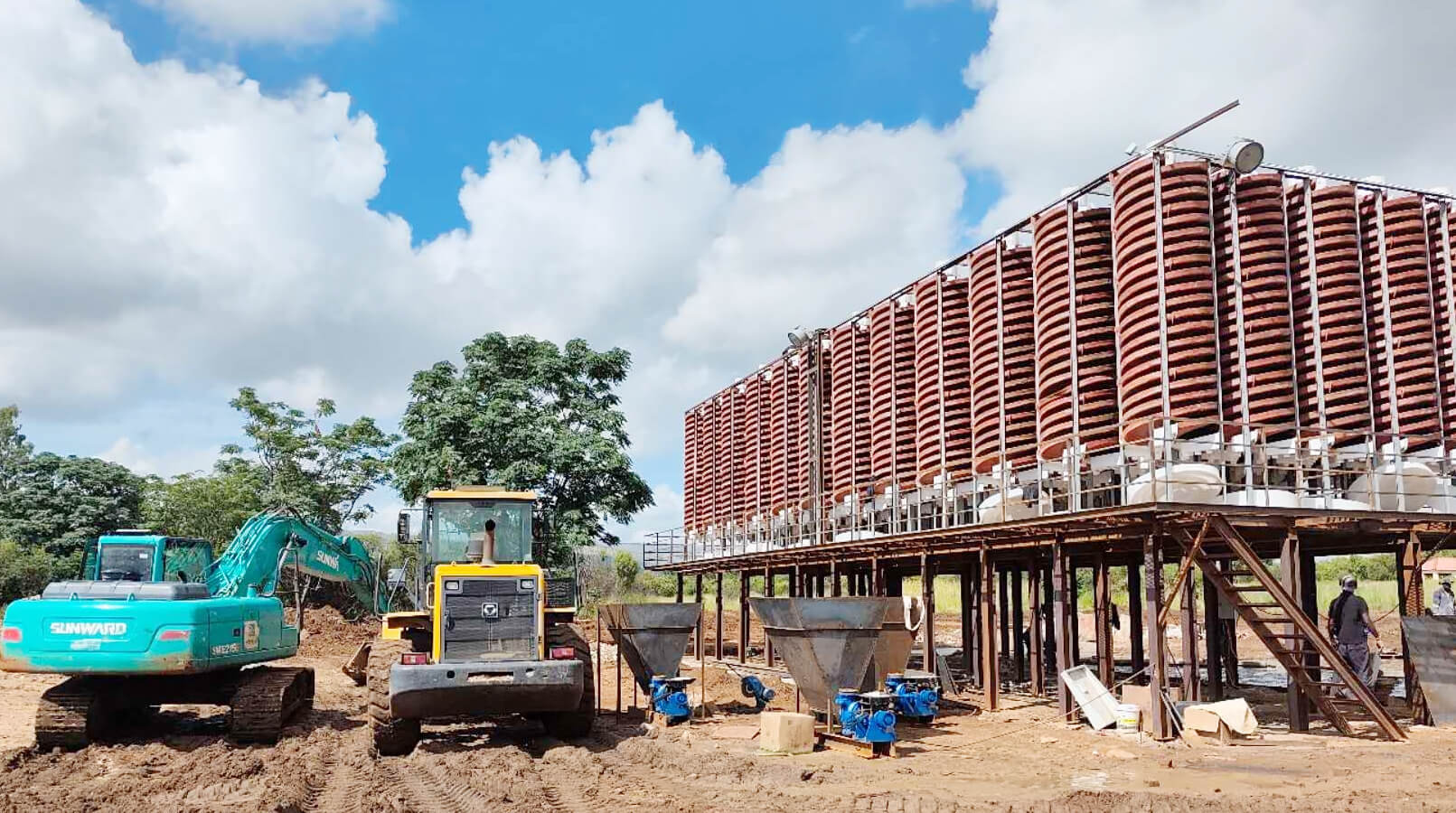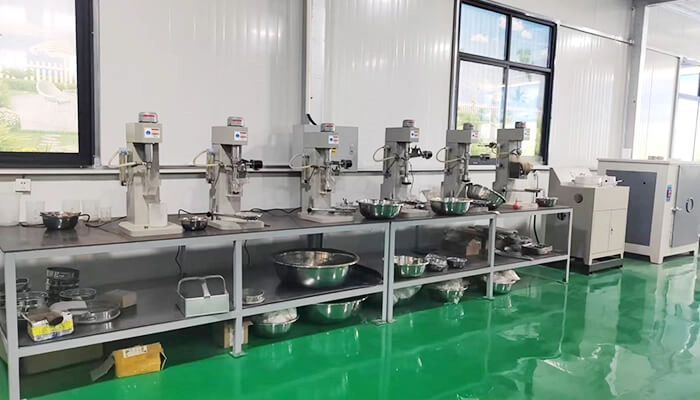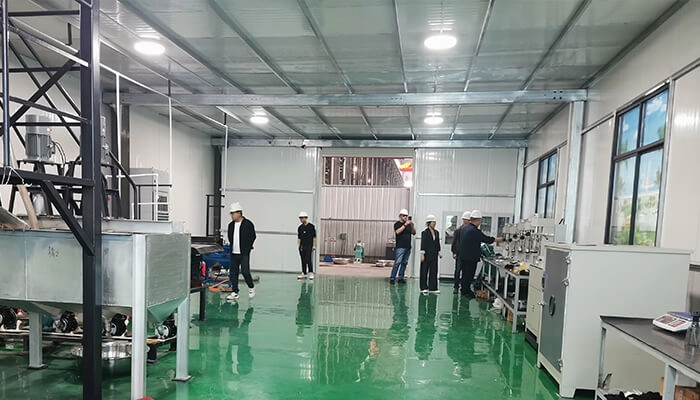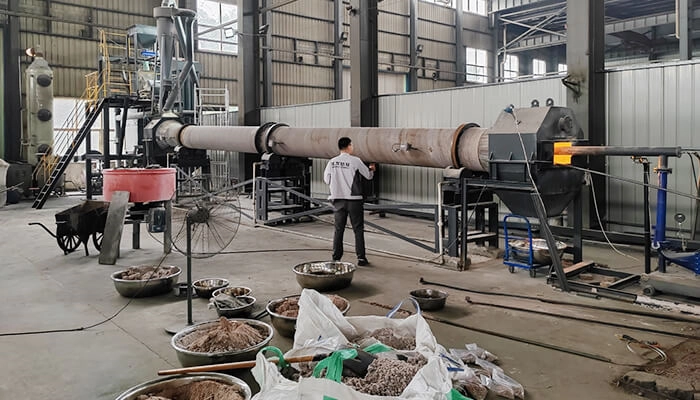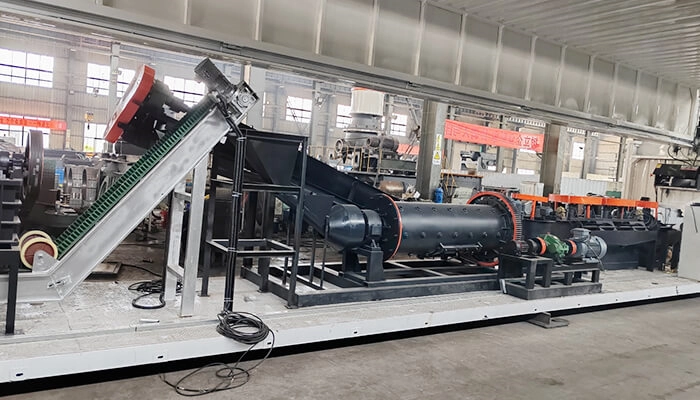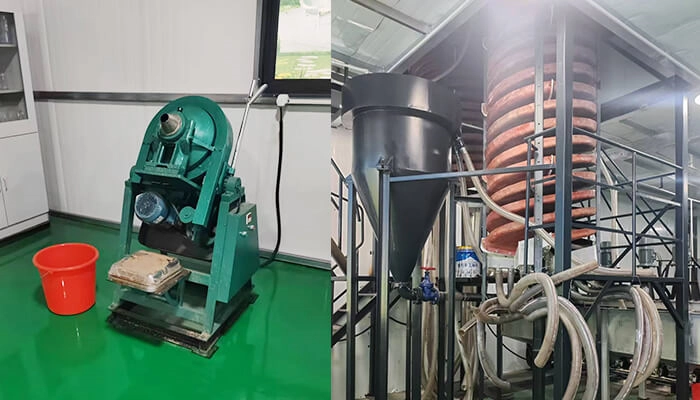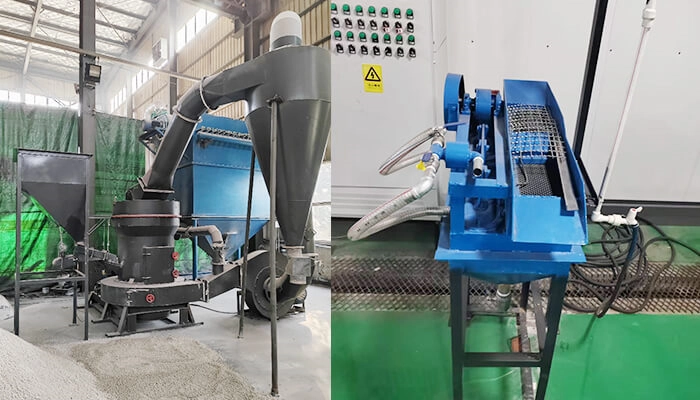
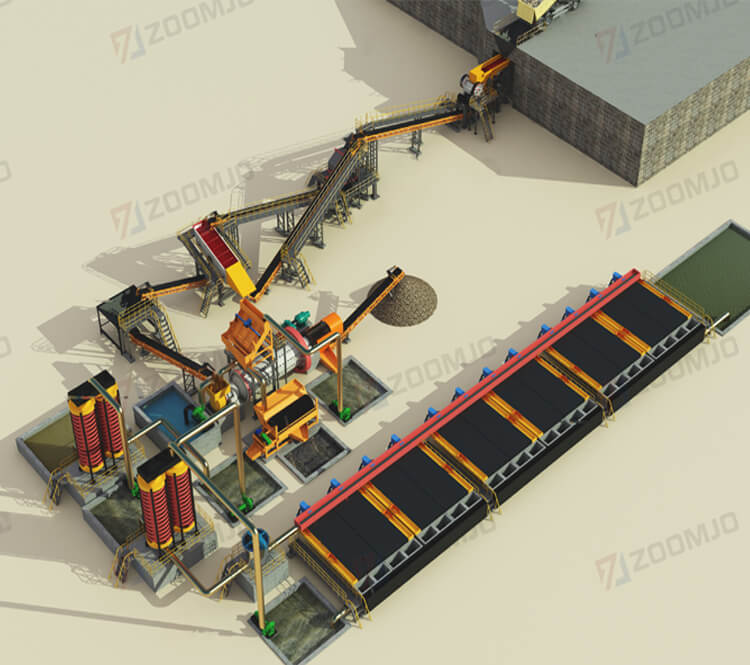
ZOOMJO Group will customize chrome ore processing solutions based on your ore type to maximize the recovery of chrome ore concentrate. We also provide laboratory beneficiation test.
Common chrome ore processing methods: gravity separation and magnetic separation.

Crushing and Grinding
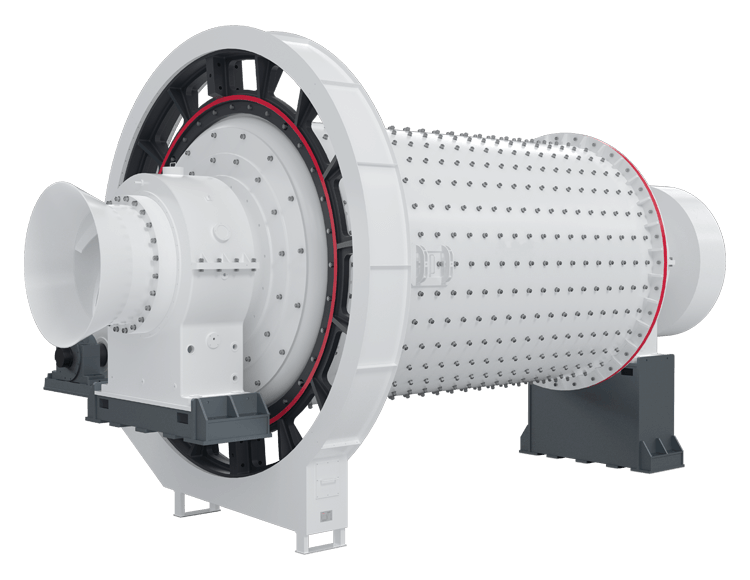
The raw ore is first crushed to a manageable size, then ground in a ball mill or rod mill to achieve a particle size small enough to release the chromite from the gangue minerals.
Screening and Classification
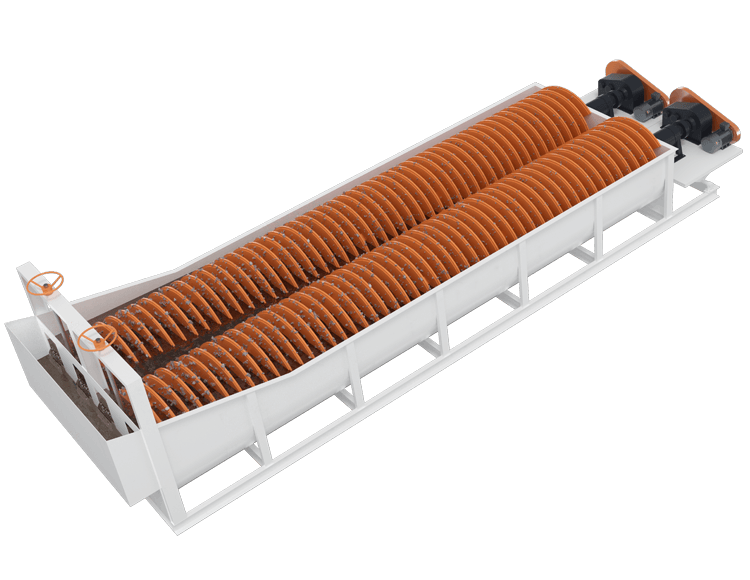
The ground ore is screened into different particle sizes. Classifiers such as spiral classifiers or hydrocyclones are used to provide a steady feed to the gravity separation equipment.
Washing and Gravity separation
Alluvial or placer ores containing a high content of clay may require a rotary screen to remove the clay and mud before separation. The prepared slurry is fed into a gravity concentrator to separate the heavier chromite particles from the lighter gangue. To achieve optimal recovery, this is typically a multi-stage process.
Roughing,Thickening(Cleaning) and Dewatering
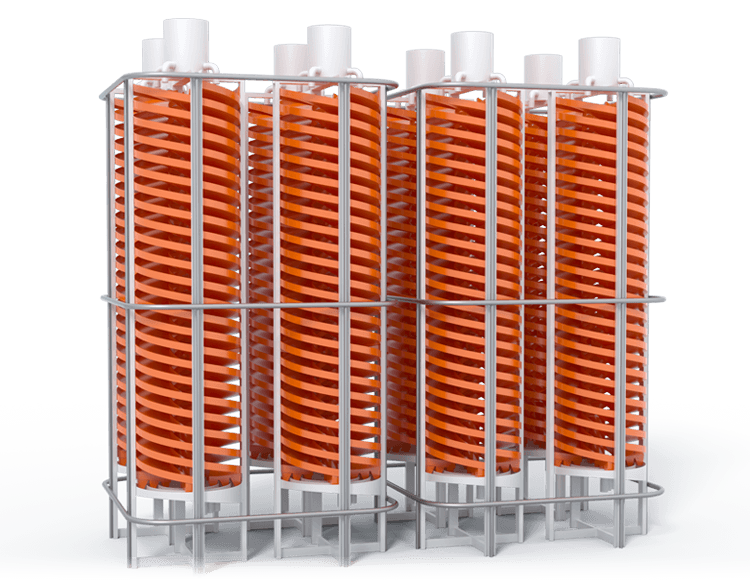
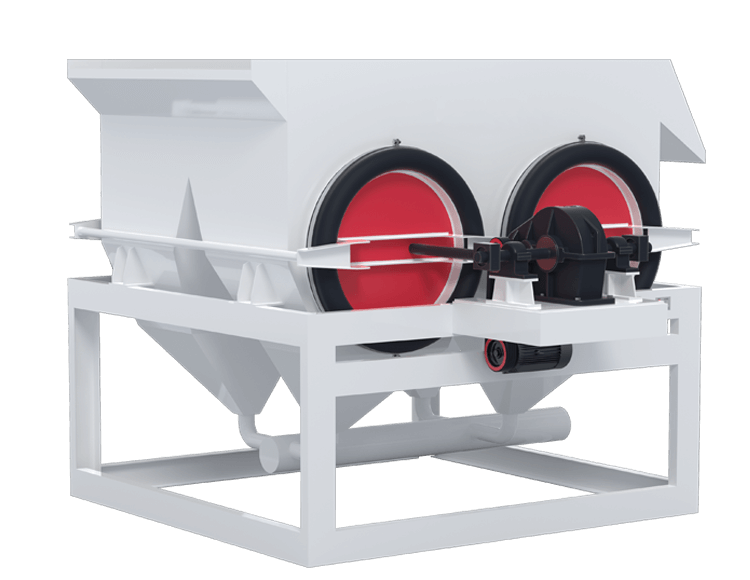
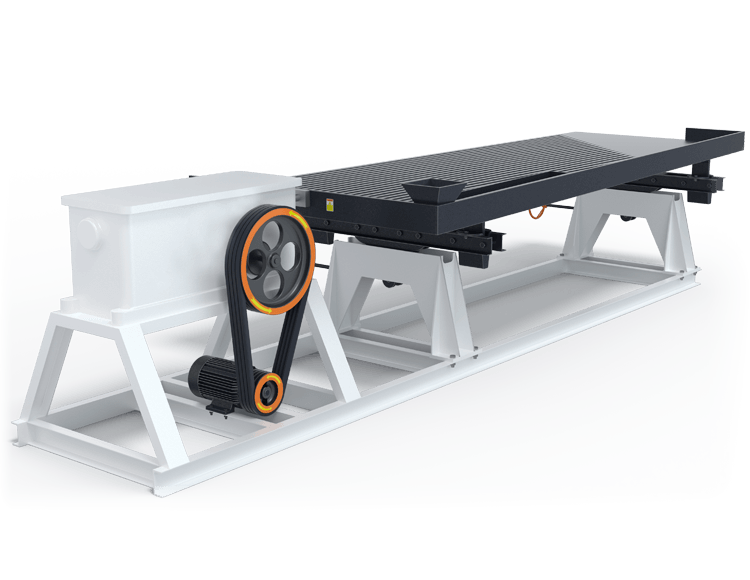
Initial separation is performed using high-capacity equipment such as jigs or spiral concentrators to produce a coarse concentrate. The coarse concentrate is then sent to a shaker for more precise separation, resulting in a higher-grade final concentrate. After separation, the concentrated chromite ore is dewatered using equipment such as thickeners, cyclones, or filter presses to reduce the moisture content.

Crushing and Grinding
The chromite ore is crushed and ground to a specific size to separate the chromite minerals from the surrounding gangue minerals. This is a critical step in determining the success of subsequent beneficiation.
Particle Size Classification
After grinding, the slurry typically requires classification to remove fine sludge, which can affect the efficiency of magnetic separation and gravity separation. The remaining sludge is then separated into different particle sizes for processing.
Magnetic separation
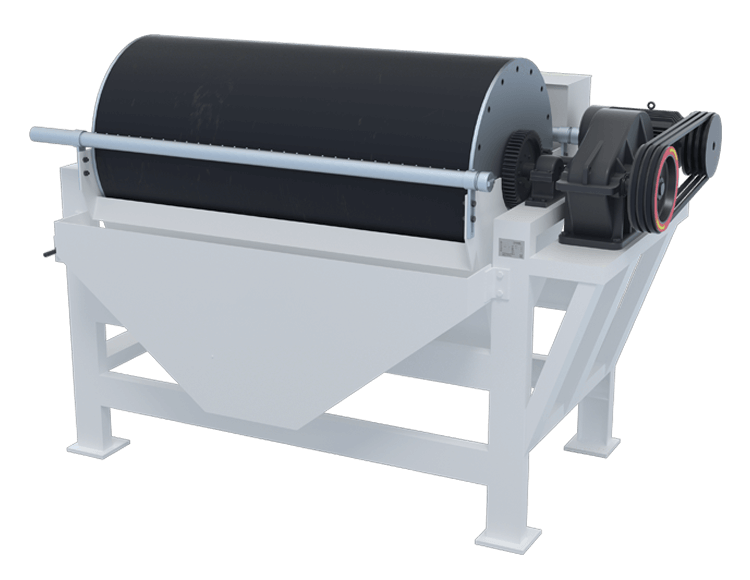
Chromite has a unique magnetic property, requiring either a weak magnetic field to remove strongly magnetic minerals (such as magnetite) or a strong magnetic field to recover the chromite itself. Magnetic separation is rarely used alone and is often used in conjunction with gravity separation.
Low-intensity magnetic separation: This process is designed to remove strongly magnetic minerals, such as magnetite, that may be present in the ore.
High-intensity magnetic separation: This is the primary method for concentrating weakly magnetic chromite particles.
Combined Magnetic and Gravity Separation
Due to the high density and weak magnetic properties of chromite, a combination of magnetic and gravity separation is often the most effective method, especially for low-grade ore. A common process combination is as follows: gravity separation is performed first, followed by magnetic separation, and finally tailings recovery.
With good reputation, excellent quality and sound after-sales service, it has won praise from the world.
Do you need to know the product price? Model? Configuration plan? Output?
Please leave your correct information and we will reply to you within 24 hours.
Copyright © Henan ZOOMJO MINING Machinery Co., Ltd. All Rights Reserved.